What Is Newborn Screening?
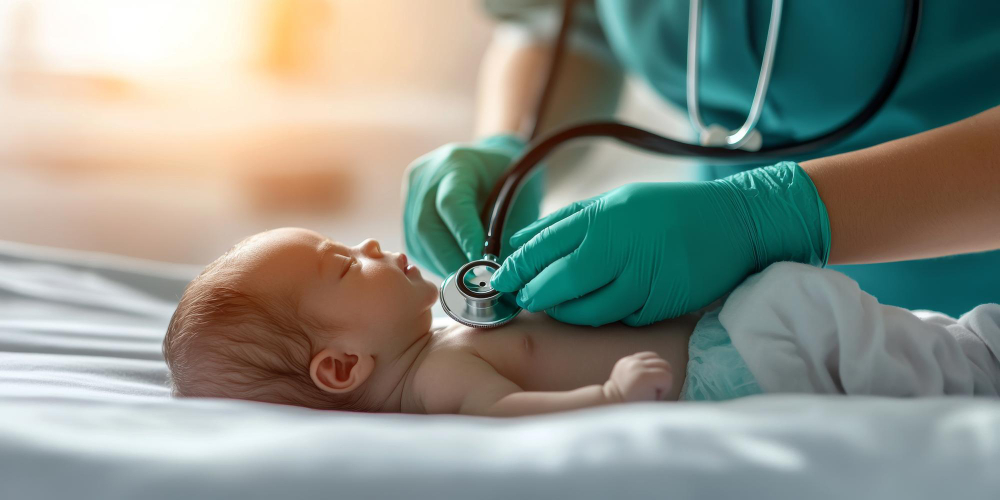
Newborn screening is a simple test done soon after birth. It checks for certain rare but serious health problems in babies. In fact, newborn screening helps doctors find conditions early, often before symptoms appear. Early detection in infants can lead to better health outcomes. According to the CDC, this test is a key part of newborn care in many countries.
Why Early Detection Matters
Early detection in infants can make a big difference. When doctors find a health issue early, they can start treatment right away. As a result, babies have a better chance to grow and develop normally. Sometimes, a baby may look healthy at birth but still have a hidden problem. Because of this, newborn screening is important for every baby, even if there are no signs of illness.
Common Conditions Detected by Newborn Screening
Newborn screening can find many conditions. However, the exact list may vary by country or region. Here are some common conditions detected by newborn screening:
In addition, some places test for other rare conditions. The goal is to catch problems early and prevent serious health issues.
How the Screening Process Works
Newborn screening is quick and safe. Usually, it happens within the first few days after birth. Here is how newborn screening works:
After the tests, results are sent to your doctor. If a problem is found, the doctor will contact you for follow-up steps. Most babies have normal results. Still, if a result is not clear, more tests may be needed. The CDC and WHO both recommend newborn screening as a standard practice.
Benefits of Newborn Screening for Child Health
There are many newborn screening benefits for families. For example, early detection in infants can:
Because newborn screening finds problems early, children can get the care they need right away. Consult at Pujanarendra Sattva Superspeciality Centre for a better quality of life for the child and family.
Frequently Asked Questions About Newborn Screening
When is newborn screening done? Usually, it happens within 24 to 48 hours after birth. Sometimes, a second test is needed later.
Is newborn screening safe? Yes, the heel prick is quick and safe. Most babies only feel a brief pinch.
What if my baby’s test is positive? If a result is positive, your doctor will explain the next steps. Often, more tests are needed to confirm the result.
Does every baby need newborn screening? Yes, experts recommend screening for all newborns, even if they seem healthy.