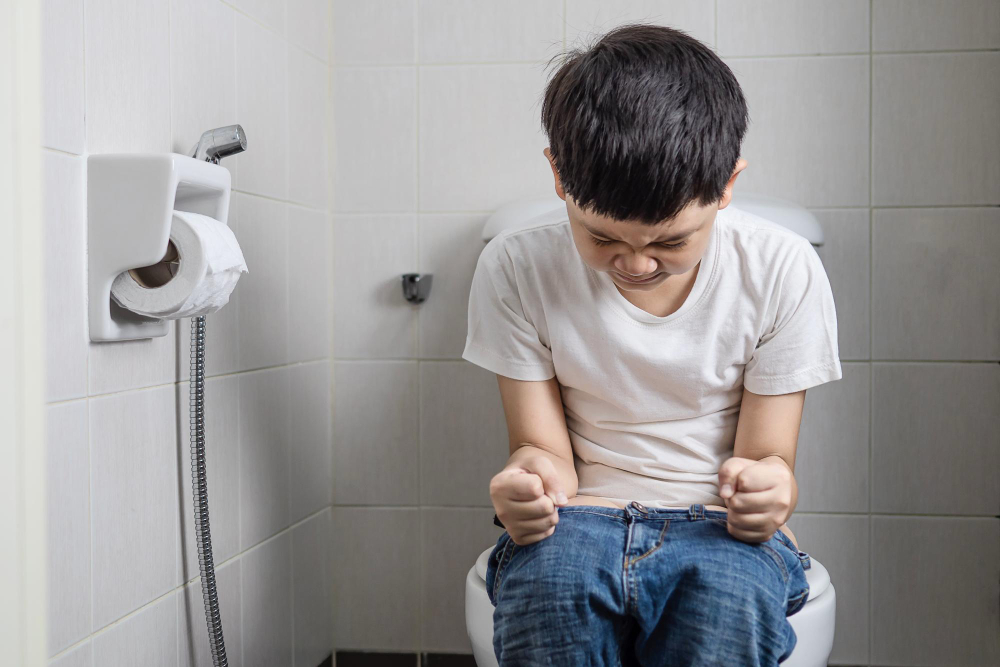
What is Constipation in Children?
Constipation in children is a common problem. It means your child has fewer bowel movements than usual or finds it hard to pass stool. Often, children may feel pain or discomfort. In many cases, constipation in children is not serious. However, it can cause worry for parents. In the US, many families face this issue at some point. Understanding the causes and knowing when to seek help is important.
Common Causes of Constipation in Children
There are several reasons why a child may become constipated. Sometimes, it is due to simple changes in routine. Other times, it may be linked to diet or habits. Here are some common child constipation causes:
Because many factors can play a role, it helps to watch your child’s habits closely.
Signs and Symptoms to Watch For
It is important to notice signs of constipation in children early. While some children may not complain, you can look for these symptoms:
Sometimes, children may avoid the bathroom because of pain. As a result, constipation can get worse.
When to Seek Medical Help
Most cases of constipation in children are mild. However, there are times when you should call your doctor. Early action can prevent problems. You should seek help if your child:
In addition, if home remedies for kids do not work, or if you are worried, it is best to ask a pediatrician. For parents in any city, quick care can help your child feel better.
Home Care and Prevention Tips
There are simple steps you can take at home to help prevent and treat constipation in children. These tips can make a big difference:
For many families, these constipation remedies for kids are enough. Still, if symptoms last, talk to your doctor for advice.
Frequently Asked Questions (FAQ)
Conclusion
Constipation in children is common and often easy to manage at home. However, knowing the causes and signs helps you act early. If your child is experiencing ongoing constipation, consult a pediatrician at Pujanarendra Sattva Superspeciality Centre for personalized advice. Your doctor can help find the best solution for your child’s health.