During the rainy season, dengue and viral fevers in children become more common. Parents often worry about monsoon illnesses in children because the risk increases with heavy rains. In this guide, you will learn about dengue symptoms in kids, how these fevers spread, and ways to keep your child safe. Understanding and preventing viral fevers is important for every parent, especially during the monsoon.
What Are Dengue and Viral Fevers?
Dengue is a viral infection spread by mosquitoes. It causes high fever and other symptoms. Viral fevers are illnesses caused by different viruses. These can include the flu, cold, or other infections. Both dengue and viral fevers are more common during the monsoon. This is because water collects in many places, making it easier for mosquitoes and viruses to spread.
Common Symptoms in Children
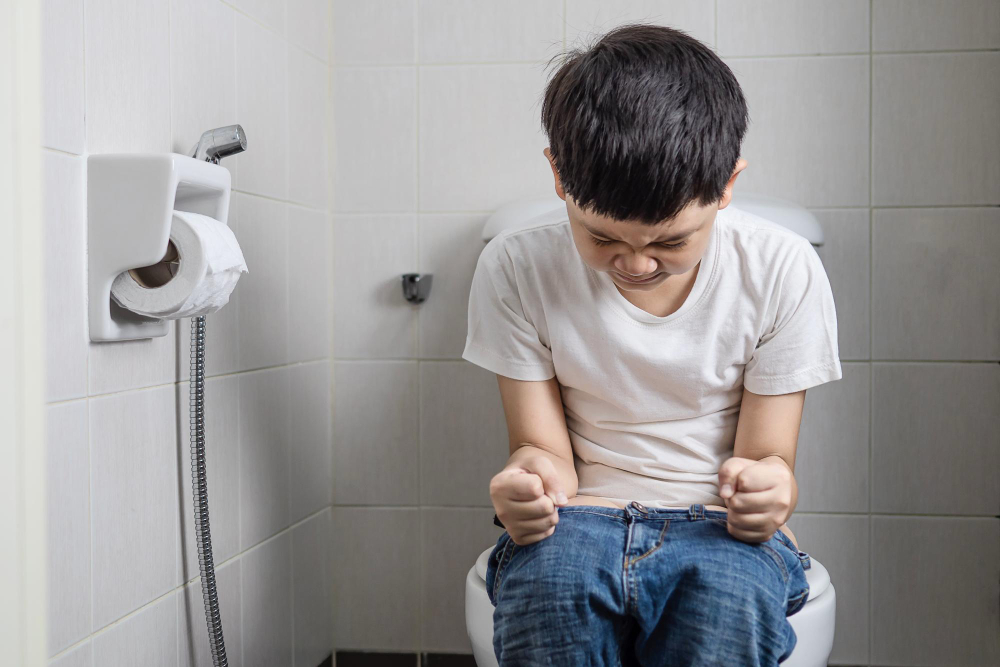
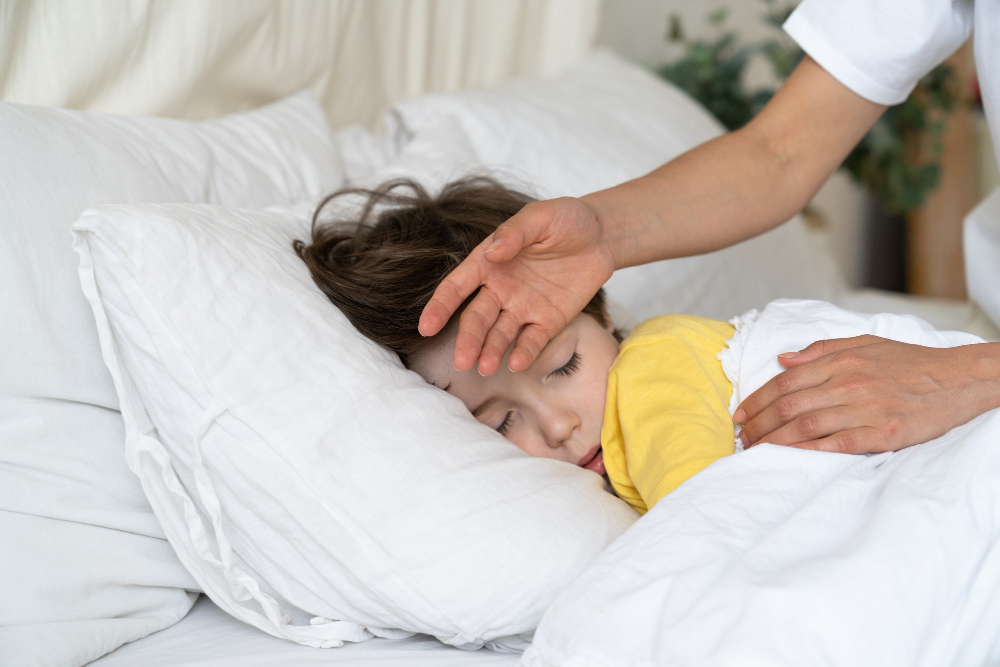
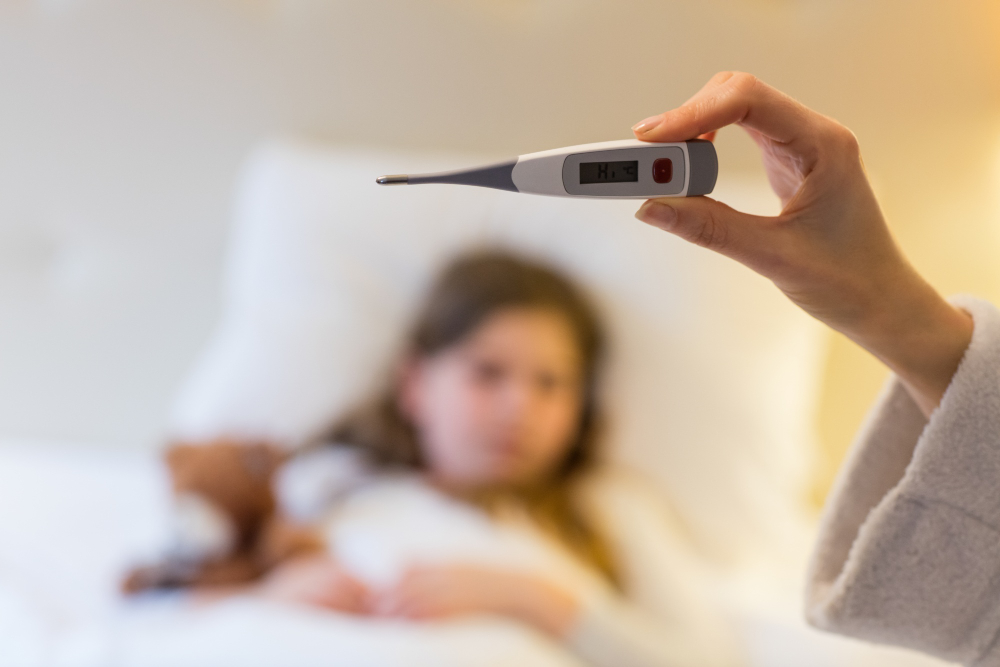
Children may show different signs when they have dengue or a viral fever. However, some symptoms are common in both. Early detection helps in quick recovery. Watch for these signs:
But, not all children will have every symptom. If you notice any of these, act quickly.
Causes and How These Fevers Spread During Monsoon
During monsoon, standing water collects in pots, tires, and puddles. Mosquitoes breed in this water. The Aedes mosquito spreads dengue by biting during the day. On the other hand, viral fevers spread through the air, touch, or contaminated water. Because children play outside and touch many things, they are at higher risk. Also, crowded places and poor hygiene can increase the spread.
How to Diagnose Dengue and Viral Fevers in Children
Doctors use several ways to diagnose these illnesses. First, they check the child’s symptoms and medical history. Next, they may suggest blood tests. These tests help confirm dengue or other viral infections. Sometimes, doctors repeat tests to track the illness. Early diagnosis is important for the right treatment. According to the World Health Organization (WHO), quick testing helps prevent complications.
Effective Treatment Options
There is no specific cure for dengue or most viral fevers. However, treatment focuses on relieving symptoms and keeping the child comfortable. Doctors may recommend:
In severe cases, hospital care may be needed. The Centers for Disease Control and Prevention (CDC) advises against using ibuprofen or aspirin in dengue, as these can increase bleeding risk.
Home Care and Supportive Measures
At home, parents can help their child feel better. Here are some supportive measures:
However, always follow your doctor’s advice for medicines and care.
Prevention Tips for Parents During Monsoon
Preventing dengue and viral fevers in children is possible with simple steps. During the monsoon, take extra care to protect your family. Try these tips:
By following these steps, you can lower the risk of monsoon illnesses in children.
When to Seek Medical Help
Sometimes, dengue or viral fevers can become serious. Seek medical help right away if your child:
Early treatment can prevent complications and help your child recover faster.
In summary, dengue and viral fevers in children are more common during the monsoon. But, with the right knowledge and care, you can keep your child safe. Consult at Pujanarendra Sattva Superspeciality Centre personalized advice if your child shows symptoms of dengue or viral fever.