Introduction
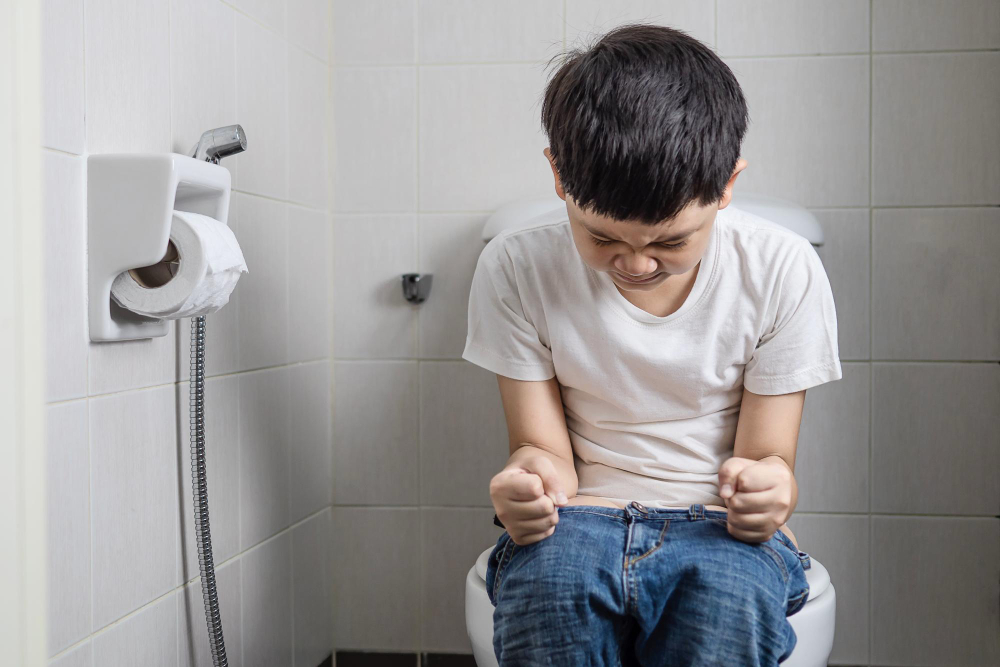
Diarrhea and vomiting in children are common problems. Many parents worry when their child gets sick. In fact, most children will have these symptoms at least once. According to the CDC, diarrhea and vomiting are leading reasons for doctor visits in the US. While most cases are mild, some can be serious. Therefore, knowing when to care at home and when to seek help is important.
Common Causes
Many things can cause diarrhea and vomiting in children. Often, a virus is the reason. For example, rotavirus and norovirus are common culprits. Sometimes, bacteria from food or water can also cause these symptoms. In addition, food allergies, certain medicines, and stress may trigger stomach upset. Here are some frequent causes:
Recognizing Symptoms
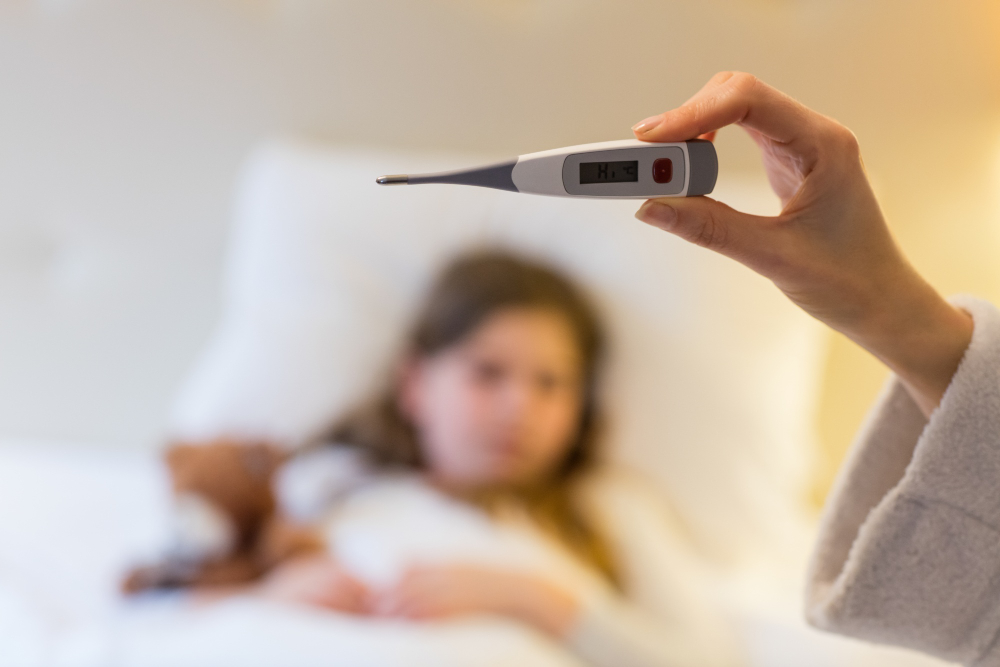
It is important to notice all symptoms your child has. Usually, diarrhea means loose or watery stools. Vomiting is when your child throws up food or liquid. Sometimes, children may also have:
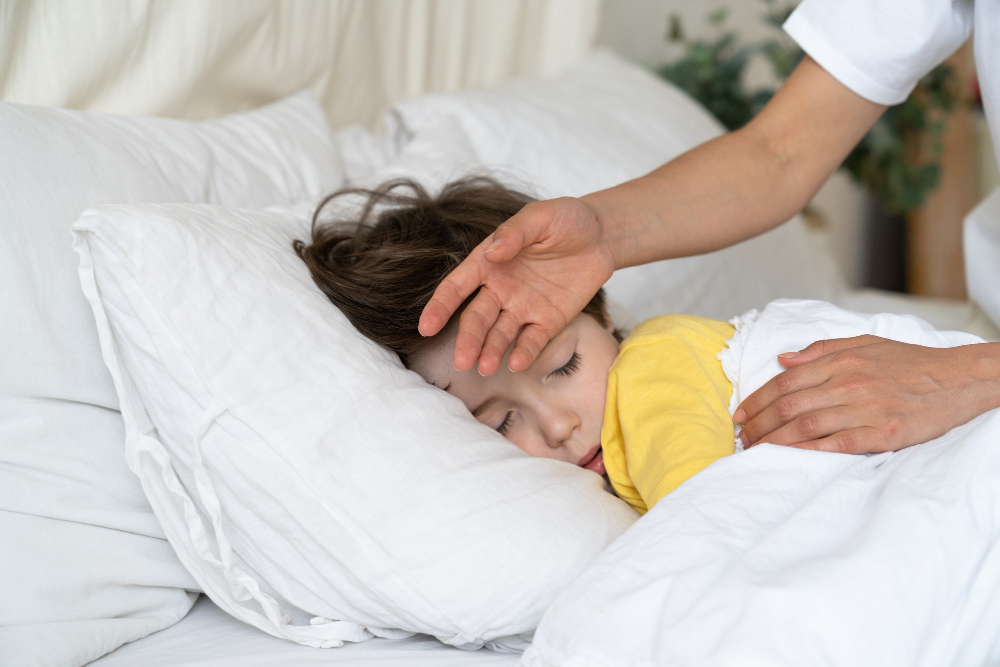
However, not all symptoms are dangerous. Still, you should watch for changes in behavior or signs of dehydration.
When Home Care Is Enough
In many cases, you can care for your child at home. If your child is alert, drinks fluids, and has mild symptoms, home care is often safe. Here are some tips:
For child vomiting home remedies, focus on hydration. For example, give a teaspoon of fluid every few minutes. If your child keeps fluids down and seems better, home care is enough. But, always watch for warning signs.
Warning Signs: When to Seek Medical Help
Sometimes, diarrhea and vomiting in children can be serious. You should seek medical help right away if you notice:
In addition, if you are unsure, it is better to call your doctor. These are clear signs to see a doctor for child vomiting or diarrhea.
Diagnosis and What to Expect at the Doctor
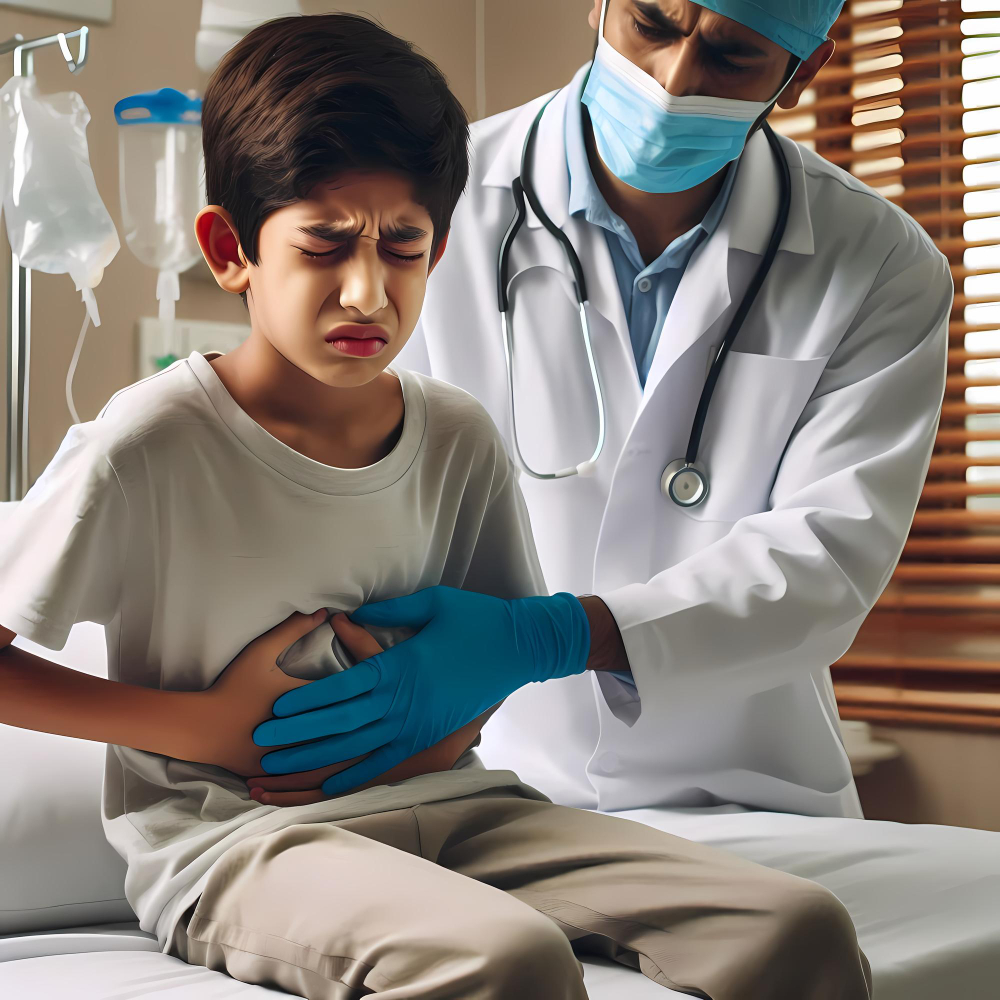
If you visit the doctor, they will ask about your child’s symptoms. The doctor may check for dehydration and look for other causes. Sometimes, they may order stool or blood tests. Usually, most children do not need special tests. Treatment often focuses on keeping your child hydrated and comfortable. In rare cases, your child may need medicine or fluids through an IV.
Prevention Tips
There are ways to help prevent diarrhea and vomiting in children. For example, good handwashing is very important. Here are more tips:
With these steps, you can lower the risk of stomach bugs in your family.
Frequently Asked Questions (FAQ)
Conclusion
Diarrhea and vomiting are common in children but can quickly lead to dehydration, especially in infants and young children. Offering appropriate fluids and monitoring for warning signs can help, but persistent symptoms, reduced urination, extreme weakness, blood in stools or vomit, or signs of severe dehydration require prompt medical attention.
For expert pediatric care and timely evaluation of diarrhea and vomiting, consult the specialists at Sattva Super Speciality Clinic.