Introduction
Many parents wonder if their child has a cold or allergy. Knowing the difference between a cold or allergy in children is important. It helps you choose the right care and avoid unnecessary medicine. While both can cause sneezing and a runny nose, their causes and treatments are not the same. Understanding these differences can help your child feel better sooner. In this blog, we will explain how to tell if it’s a cold or allergy, what symptoms to watch for, and when to see a pediatrician.
What Is a Cold?
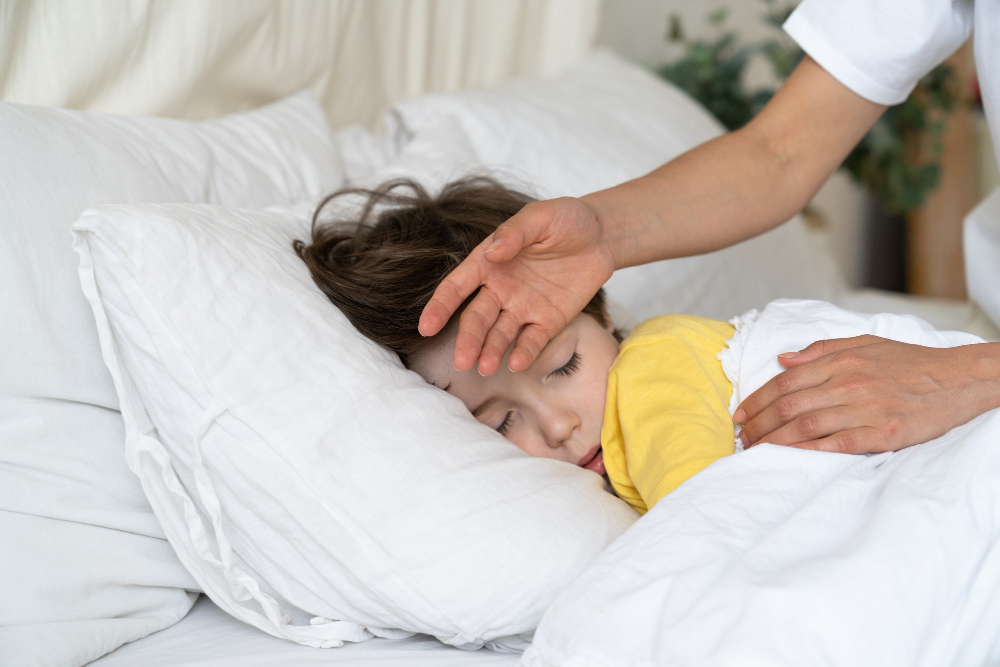
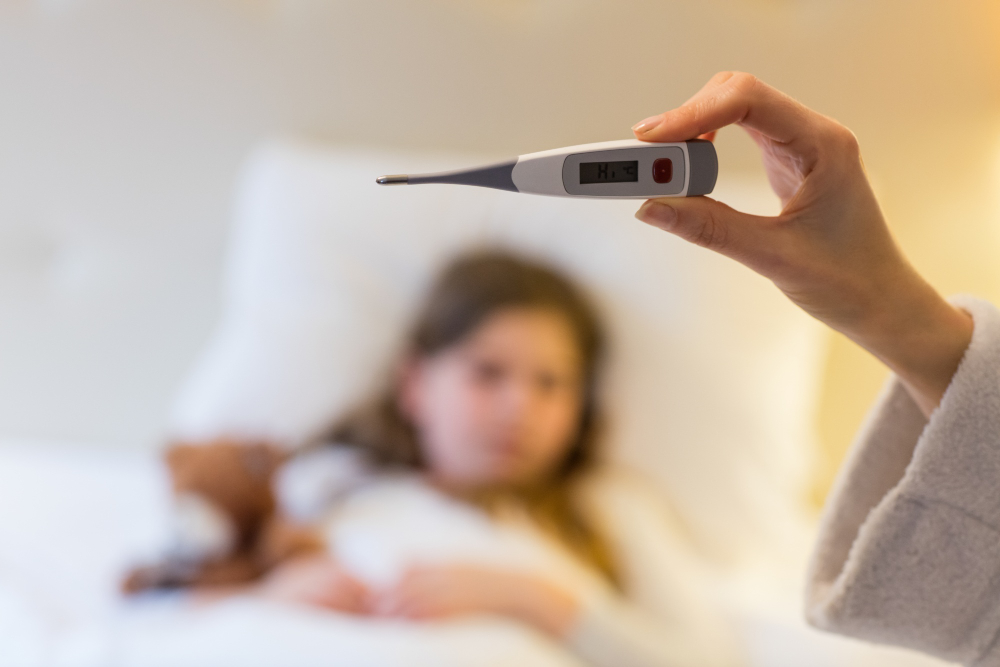
A cold is a common illness in children. It is caused by a virus. Children often catch colds from other kids or adults. Because colds spread easily, they are more common in the winter. However, kids can get them any time of year.
Common pediatric cold symptoms include:
Usually, a cold lasts about 7 to 10 days. Most children start to feel better after a week. But sometimes, symptoms can last a bit longer.
What Is an Allergy?
Allergies happen when the body reacts to something harmless, like pollen or dust. These things are called triggers. When a child with allergies comes into contact with a trigger, their body releases chemicals. This causes allergy symptoms.
Common child allergy symptoms include:
Some common allergy triggers are:
In many places, like the United States, pollen allergies are more common in spring and fall. However, dust and pet allergies can happen all year.
Key Differences Between Colds and Allergies in Children
It can be hard to tell if your child has a cold or allergy. But there are some key differences. Here is a simple guide to help you:
When to See a Pediatrician
Sometimes, you may not be sure if your child has a cold or allergy. However, you should see a pediatrician if:
Additionally, if your child’s symptoms keep coming back, a doctor can help find the cause. They may suggest allergy testing or other treatments.
Home Care and Prevention Tips
While both colds and allergies can be uncomfortable, there are ways to help your child feel better at home. Here are some tips:
However, avoid giving over-the-counter cold medicine to young children unless your doctor says it is safe. For allergies, your pediatrician may suggest antihistamines or other treatments.
Conclusion
In summary, knowing if your child has a cold or allergy can help you choose the best care. While both share some symptoms, key differences can guide you. If you’re unsure whether your child has a cold or an allergy, consult a pediatrician at Pujanarendra Sattva Superspeciality Centre for personalized advice.